
This tow-and-storage date card aligns invoice time entries with official auto insurance claim clock trigger dates. It is designed to slot directly into the supporting documents tab of your auto insurance claim file, eliminating mismatches between vendor billing dates and insurer claim processing deadlines that can lead to delayed reimbursement or denied storage fee claims. The template is adapted for personal use from Clause Shelf public claim documentation resources, and is for educational purposes only; it does not represent coverage advice, binding claim determinations, or legal guidance. Always confirm all claim timeline requirements with your licensed insurance provider, adjuster, or state insurance regulator. Below is the printable date card you can use to organize all relevant timeline records for your file:
| Date Field | Source Document | Location in Your Claim Folder | Use for Claim Clock Verification |
|---|---|---|---|
| Tow Dropoff Timestamp | Vendor Tow Invoice | Front of Supporting Docs tab | Sets official start of potential storage fee liability, confirms you notified insurer within required 24-72 hour window |
| Storage Billing Start Date | Facility Public Fee Schedule | Attached to back of tow invoice | Validates each daily storage line item matches the facility’s posted billing rules, eliminates post-hoc fee increases |
| Insurer Claim Receipt Date | Formal Insurer Acknowledgment Letter | Front of Claim Correspondence tab | Marks start of state-mandated insurer response window for storage fee approval requests |
| Line Item Charge Dates | Final Itemized Storage Invoice | Middle of Supporting Docs tab | Cross-references with dropoff and billing schedule to remove duplicate or incorrectly dated charges |
| Invoice Submission Confirmation Date | Insurer Submission Receipt | Back of Claim Correspondence tab | Proves you met policy submission deadlines for final tow and storage reimbursement requests |
Tow dropoff timestamp box
This standardized box appears on all licensed tow vendor invoices in most U.S. states, typically placed in the top right corner or bottom left signature block of the form. It records the exact date and time the towed vehicle was unloaded at the designated storage facility, not the time the tow was dispatched from the lot, the time the original incident (collision, breakdown, impound) occurred, or the time you were notified the vehicle was towed. This date is the official trigger for all storage fee timelines for both your policy and the storage facility, as it marks the first moment the vehicle is in the facility’s custody. You should clip a printed close-up photo of this timestamp to the front of your tow invoice in your claim folder, so you do not have to flip through full invoice pages when your adjuster requests proof of dropoff time. Illustrative example: If your tow was dispatched at 11:42 PM on March 12 following a highway collision, but the driver did not navigate traffic and unload your vehicle at the contracted storage facility until 12:37 AM on March 13, the official dropoff timestamp is March 13, and all notification and billing timelines run from that later date, not the date of the collision or dispatch.
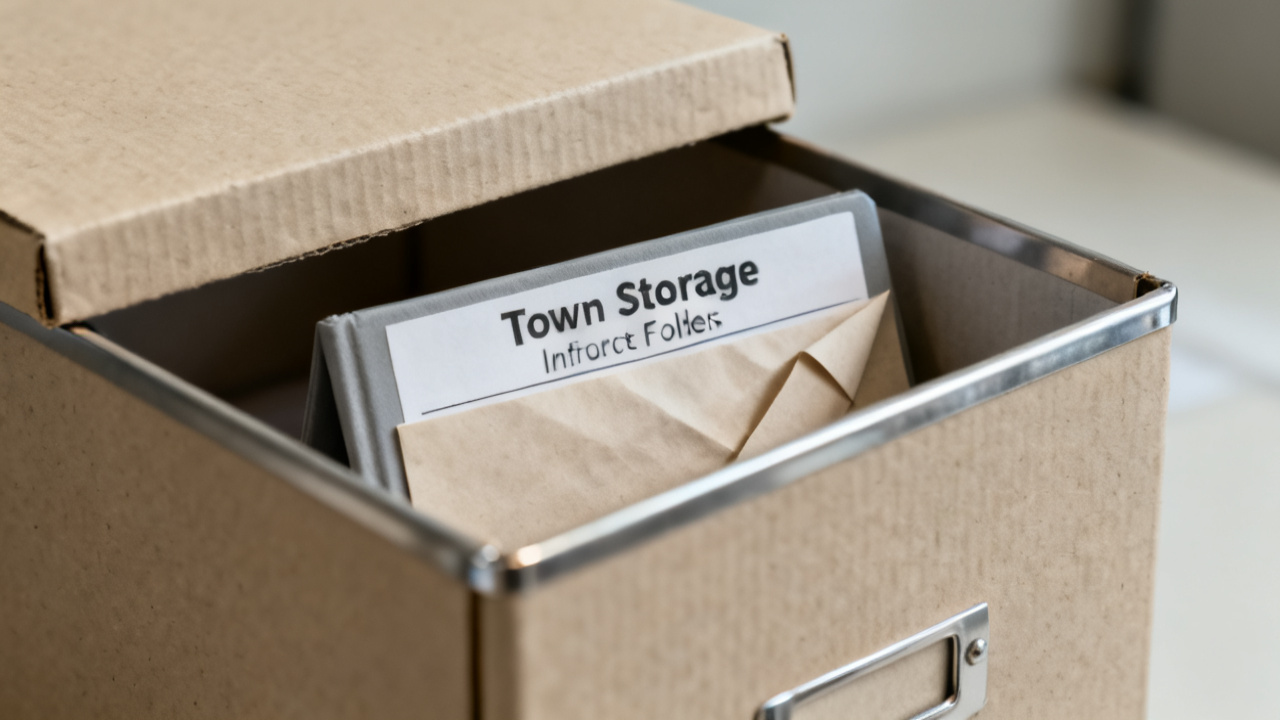
Storage billing start schedule
This is the publicly posted, formal fee schedule the storage facility is required to file with local transportation or public safety regulators in most jurisdictions, outlining when daily storage fees begin to accrue for vehicles dropped off at the lot. Facilities may use one of several common schedules: billing starting the minute the vehicle is unloaded, billing starting at the first full calendar day after dropoff, or waiving the first 12 hours of storage for vehicles dropped off after normal business hours. You must request a dated copy of this schedule that was in effect on your vehicle’s dropoff date, attach it to the back of your tow invoice in your file, and cross-reference it with the line items on your final storage bill to confirm no charges are applied outside of the posted rules. Many adjusters will not approve storage fees without a copy of this posted schedule, as it eliminates the risk of facilities inflating fees after the fact for insurance claims. Illustrative example: A facility with a “first full calendar day” billing policy that receives a vehicle at 12:37 AM on March 13 will start billing for storage on March 13, not March 14, even if the facility’s front office does not open for customer access until 8 AM that same day.
Claim receipt letter date
This is the date printed on the formal, signed acknowledgment letter your insurer sends you within 3 to 5 business days after you file your initial auto insurance claim, regardless of whether you filed the claim over the phone, via an online portal, or through your agent. This date is the official start of the insurer’s required processing timeline, per state insurance regulations, which typically require carriers to respond to storage fee approval requests within 10 to 15 business days of receiving the claim. This date is not the date you called to report the incident, the date you submitted your first claim form, or the date the adjuster first contacted you. You should staple this receipt letter to the front of the claim correspondence tab of your file, so you can easily cross-reference the time between the receipt date and any follow-up requests you send to your adjuster about storage fee approvals. If you do not receive a formal receipt letter within 7 business days of filing your claim, request one in writing via email or certified mail to create a paper record of the official claim start date. Illustrative example: If you called to file your claim on March 14, and the insurer mailed their formal acknowledgment letter dated March 16, their state-mandated 10-day response window for storage fee approval starts on March 16, not the date you initially reported the incident.
Invoice line item date column
This is the dedicated column on your final, itemized tow and storage invoice that lists the specific date each individual charge was incurred, separate from the date the invoice was generated or mailed to you. Every line item on the invoice should have a corresponding date: tow service fee date, first day of storage fee, second day of storage fee, administrative processing fee date, after-hours pickup fee date, and any other applicable charges. You should cross-reference every date in this column against your tow dropoff timestamp, storage billing start schedule, and claim receipt date to flag any errors, including charges dated before the vehicle was dropped off, duplicate charges for the same date, or charges applied after you picked up the vehicle from the lot. If your invoice does not include a separate date column for each line item, request a revised, itemized invoice from the storage facility before submitting it to your insurer, as most carriers will not process unitemized charges or charges without clear corresponding dates.
Submission confirmation form
This is the digital or physical receipt you receive from your insurer immediately after you submit your final, itemized tow and storage invoice for reimbursement, which includes the exact date and time of submission, the name of the adjuster or claims department that received the invoice, and a unique alphanumeric submission ID number. This confirmation is your proof that you met your policy’s submission deadline for tow and storage claims, which typically ranges from 30 to 90 days from the date you picked up your vehicle from the storage facility. You should save a copy of this confirmation in both your physical claim folder and a password-protected digital cloud storage folder, so you can access it if the insurer claims they never received your invoice or that you submitted it after the deadline. Illustrative example: If you picked up your vehicle from storage on March 28, and your policy requires final invoice submission within 30 days (April 27), a submission confirmation dated April 26 proves you submitted the invoice on time even if the insurer does not process the reimbursement until mid-May.
Print a copy of the tow-and-storage date card, clip it to the front of your tow invoice packet, and cross-check all five date fields for consistency before you submit your invoice to your adjuster for processing.